RSS

STOP CHASING FORECLOSURES - START FINDING DEALS

We Have A Smarter way to find undervalued Real Estate in Calgary

The Calgary Foreclosure Boom Ended in 2013

Foreclosure Sales Chart

Banks and mortgage companies caused the foreclosure boom and ended it as well. 

Stop Chasing Foreclosure deals means:

  • Avoid Un-Conditional Cash Offers

  • Avoid bidding wars on scarce supply

  • Avoid buying “as is” with no inspections

  • Avoid waiting months for the next deal to show up

  • Avoid missing opportunities in your own communities

  • Regular Offers can be negotiated back and forth in a timely manner

  • Regular Offers can include Buyer Conditions like Financing and home inspections

Every Calgary Community Has A Pattern of Historical Sales We Use To Find Deals Others Miss.

McKenzie Towne in south Calgary is one community that has had over 6,000 sales in the past 30 years. We use that data to reveal home price trends. We want to know the current floor, ceiling, average sale prices and sales volume.

McKenzie Towne Home Sales Chart

When we know the averages of our target community and home type we set ourselves up with a Market Watch Home Search to automatically email us only new listings under the averages which are our deal finding ceilings.

These 12 listings on the date of this article have prices below the community averages. If there are foreclosures that fall under the averages they are in the list as well. Chances are on closer inspection there might only be a couple of real deals out of this list of 12 that could be from highly motivated sellers. And those are the deals we want. Regular deals with Regular buyer protections and conditions from the most motivated sellers.

Charlie Munger of Berkshire Hathaway Fame and his buddy Warren Buffett were fond of looking at the inverse of problems. If finding real estate deals is a problem. The inverse is Can We Make The Deals Find Us? 
And the answer is yes! All day long in every community there are deals ready for the ready to buy investor.

Contact Jerry Charlton
Let’s talk communities, numbers, home styles and Make The Deals Find You! 

Read

A History of Foreclosure Sales of Detached Homes in Calgary, Alberta, Canada

The chart represents over 21,000 actual foreclosure sales of detached homes in Calgary dating back to the 1990s. Every dot is a real sale — a reminder that the market doesn’t always move in a straight line.

From 2003 through 2013, things went a bit wild. I became a licensed Realtor® in 2002, and during those first 10 years it was completely normal to see hundreds of foreclosure listings in the MLS at any given time. And yes — many buyers scored unbelievable deals. That high level of distressed inventory also quietly kept prices from running away on regular homeowners.

Then everything changed.
Governments and lenders tightened the screws — over 200 mortgage rule changes, stress tests, and goodbye to the 30 – 50 year amortizations. Mortgage fraud and “Stupid Money” (you know, the kind you get just for showing up with a pulse) were pushed out of the system.

This chart makes the outcome pretty obvious:
The manipulation worked — unqualified buyers and professional fraudsters got flushed.

Calgary House Foreclosure Chart

Will that change again?
Of course. Regulators and lenders can’t resist tinkering with the rules. And when they loosen up too far — as history shows — this chart will start getting wild again.

Will buyers still find deals in the market? Yes, as the chart for one Calgary Community clearly shows many homes are sold well below average prices almost every month.

McKenzie Towne Home Sales History

Contact Me and Let Me Help You Buy a Great Property the Easy Way

Read

The Top 5 Places To Find Cheap Calgary Homes

The Top 5 Places To Find Cheap Calgary Homes

  1. Bank Foreclosures and Court Ordered Sales

  2. Vacant and Abandoned Calgary Properties

  3. Tenant Occupied Landlord Home Sales

  4. Estate and Probate Home Sales

  5. Divorcing Home Owners Who Want To Sell Fast

Bank Foreclosures and Court Ordered Sales are at the top of the list. People have visions of banks sitting on tons of properties that they are willing to sell cheap. It’s a myth in Canada that banks sell homes cheap. Let’s clear this one up right away. Banks do not sell homes cheap in Canada. If you hear a story of someone buying a home cheap because it was a foreclosure, the real story is it was cheap because that was all it was worth in the condition it was in. Chasing foreclosure deals is like chasing ghosts. Good Luck with that.

Vacant and Abandoned Calgary Properties should be high on the list. Why is the home vacant? Who’s paying the taxes, utilities, insurance and maybe a mortgage while the home sits empty. We know it’s not a bank with deep pockets that can wait forever. Vacant properties have a story. Finding out what the story is can lead to an opportunity to make money when you buy those types of homes. Put vacant properties high on your list.

Tenant Occupied Landlord Home Sales should not be overlooked. Why is the landlord selling? What’s the story? Is it a bad tenant? Is it a retiring landlord? Is it a couple of owners going in different directions? Finding out why these landlords are selling can present some amazing opportunities. Few landlords have any emotional attachment to these homes. They have usually made lots of money already, so aren’t trying to squeeze every last dime out of it. Overlooking Tenant Occupied Properties in your search for Calgary Real Estate Deals is not a good idea.

Estate and Probate Home Sales happen because the owner has died. Sometimes they have died of natural causes in the home, most times they have not. Someone or a bunch of people have inherited the property. If it’s on the market it’s because they want the money, not the house. It’s very common for battling siblings to inherit a property and just want it sold quickly. Time is more important than money to some. Estate Sales can be great opportunities to snag a good deal.

Divorcing Home Owners Who Want To Sell Fast is by far the number 1 opportunity to make money buying a home. Money is always an issue, but so is just getting things wrapped up so both parties can move on with their lives. Ask any seasoned Realtor where the best deals are, it’s always divorces.

Read

The Most Prepared Buyer Wins — Every Time

In real estate, hesitation costs money. The buyers who consistently land the best deals — foreclosures, estate sales, fixer-uppers, and private opportunities — aren’t lucky. They’re prepared.

They’ve done the homework before the right property hits the market. They can make an offer while everyone else is still calling their bank or texting their cousin who “knows a guy.”

If you want to beat other buyers to the best deals, preparation is your superpower. Here’s how the pros do it.


1. Get Your Money Ready Before You Need It

Most people start looking for homes, then think about financing. That’s backward.
If you want to buy under market value, you act like a cash buyer even if you’re not.

  • Talk to your lender now, not later. Have a pre-approval letter that’s airtight and up-to-date.

  • Know your purchase limits: price range, down payment, renovation funds, and emergency cushion.

  • Line up alternate funding — home equity, private lenders, or joint-venture investors — so you’re never handcuffed when opportunity knocks.

The seller of a foreclosure or under-market property doesn’t wait for paperwork. They sign with the first clean offer that makes sense. Be that offer.


2. Build Your Strike Team

You can’t do this alone.
The best investors have a small, efficient team ready to roll.

  • Your Realtor® Jerry Charlton — someone who knows how to work with banks, estate trustees, and “as-is” sellers.

  • Your home inspector or contractor — to do a same-day look and give a repair or reno estimate.

  • Your lawyer — to review contracts fast, especially on judicial or foreclosure sales.

When everyone knows their role, you can move in hours, not days.


3. Know Value Like It’s Your Job

Under-market deals don’t announce themselves. You find them by knowing what market value really is.

That means:

  • Studying recent sales in the area — not averages, but details: lot size, condition, upgrades.

  • Understanding days on market and when sellers start to blink.

  • Comparing price per square foot and rental potential to spot value that others overlook.

When a property lists $50,000 below fair market value, you’ll know it instantly. That’s the edge.


4. Decide Fast — Then Act Faster

Once you’ve done the prep work, decision-making becomes easy.
You don’t have to “sleep on it.” You’ve already done the thinking ahead of time.

When that rare property appears:

  • You tour it immediately.

  • You run your numbers in minutes, not hours.

  • You make an offer that’s clean, confident, and ready to close.

This is how pros buy foreclosures and estate homes before the crowd even realizes what they missed.


5. Stay Disciplined

Being ready doesn’t mean being reckless.
Stick to your numbers. Every property has a walk-away price. The trick is to act fast only when the math works.

Remember — a deal isn’t good just because it’s available. It’s good because it fits your plan, your finances, and your long game.


6. Think Long Game, Not Lottery

Real wealth in real estate doesn’t come from one lucky buy — it comes from being the first and best prepared again and again.

Preparation is repeatable. Luck isn’t.

When everyone else is panicking, you’ll be closing deals at discounts, collecting rent, and building equity. That’s how smart investors get ahead — and stay there.


Final Thought

The market rewards speed, but speed only works when it’s backed by preparation.
If you want to win at the foreclosure game — or any real estate game — stop waiting for the right property. Start preparing for it.

When it shows up, you won’t need to think. You’ll just act — and own it.


Read

Calgary Foreclosures: A Transaction Type or a Property Type?

When searching for Calgary foreclosures, many buyers mistakenly assume these properties are inherently better bargains. But the truth is, foreclosures represent a type of transaction, not a specific type of property. In fact, you’ll find foreclosures across all property types: houses, condos, townhomes, and more.

The Key Difference: Who’s Selling?

Imagine six identical homes for sale on the same street in Calgary. The only distinguishing factor is the seller:

6 House with 2 Foreclosures
  1. The Family – A growing family looking to upsize.

  2. The Disgruntled Landlord – Eager to sell due to tenant troubles.

  3. The Inherited House – Owned by out-of-town heirs with no intention of moving in.

  4. The Divorcee – Ready to move on with their life post-divorce.

  5. The Bank – Selling a foreclosed property.

  6. The Court – Overseeing a judicial sale.

While the first four scenarios typically involve standard buyer-seller transactions, properties sold by the bank or courts fall under foreclosure transactions, which come with unique conditions.

Why Are Foreclosures Riskier?

Foreclosure properties are sold “As Is, Where Is” on possession day. This means buyers take on more risk, as there are no guarantees about the property’s condition or whether it will be vacant. These risks sometimes (but not always) lead to lower prices.

Do Foreclosures Guarantee a Bargain?

Not necessarily. In a buyer’s market, foreclosures might offer price advantages due to the increased risk. However, in a seller’s market, competitive bidding often eliminates that edge. Plus, motivated sellers like the disgruntled landlord or the divorcee may offer deals with less hassle and less risk than a foreclosure.


What Does This Mean for Buyers?

The best deals aren’t always foreclosures. Broaden your search to include all motivated sellers. By exploring the larger market of highly motivated sellers, you increase your chances of finding the right property at the right price, without the added stress of a foreclosure transaction.

So, back to the original question: which of the six identical properties is likely to sell below the others with the least risk? More often than not, it will be one of the non-foreclosure sellers, depending on their urgency to sell.


I can help you find just foreclosures or I can help you find a great deal from a motivated seller.

Calgary Foreclosure Report

Read

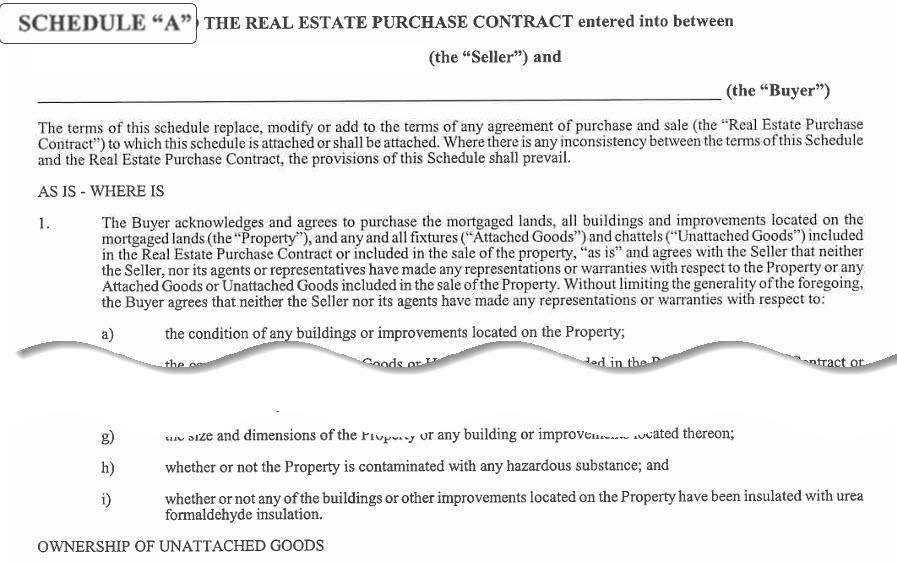
What is the “Schedule A” that goes with the Offer To Purchase a Calgary Foreclosure?

A “Schedule A” is a document that accompanies an offer to purchase a foreclosure property in Calgary. It is prepared by the bank or lender selling the property and contains additional terms and conditions specific to the sale of a foreclosed home. Here are key points to know about Schedule A.

  1. As-Is, Where-Is: It typically states that the property is being sold "as-is, where-is." This means the seller (the bank) makes no guarantees about the property's condition or what comes with it. The buyer accepts the property in its current state, flaws and all.

  2. No Warranties: Unlike a traditional sale, the seller won’t provide warranties about the condition of the property, appliances, or other aspects of the home. This includes issues like structural problems, zoning violations, or outstanding taxes or liens.

  3. Limited Recourse: If problems are discovered after the purchase, the buyer generally cannot hold the bank responsible or seek compensation.

  4. Non-Negotiable: The terms in Schedule A are usually non-negotiable. Buyers must agree to them as part of submitting their offer.

  5. Additional Costs: It may outline the buyer’s responsibility for costs such as utilities, legal fees, or transfer of ownership.

  6. Bank-Favored Terms: These terms are heavily biased in favor of the bank, emphasizing their desire to limit liability and streamline the sale.

If you're considering purchasing a foreclosure, carefully reviewing and understanding Schedule A is very important to avoid surprises.

Read

Shouldn't I Just Call the Listing Realtor® for Calgary Foreclosures?

When considering buying a foreclosure property, one of the most common questions people ask is, “Should I just call the listing Realtor®?” While it may seem like the simplest option, it’s important to understand the unique nature of foreclosure transactions and why having your own representation can make all the difference.

Why Calgary Foreclosures Are Different from Regular Listings

In a typical real estate transaction, the listing Realtor® represents the seller’s interests. Their job is to provide as much information as possible about the property to attract buyers and secure the best deal for their client. However, foreclosures operate under a completely different set of rules.

Foreclosed properties in Calgary are sold “As Is,” which means the seller—often a bank or other financial institution—is not making any guarantees about the property’s condition. These sellers are primarily focused on minimizing their risks, not necessarily making the process easy or transparent for buyers. As a result, listing Realtors® for foreclosed properties are often instructed to withhold certain details to avoid any potential liability issues for the seller. This lack of information can leave buyers in the dark about crucial factors, such as:

  • The property’s condition

  • Outstanding liens or legal issues

  • Past damage or repairs

  • Potential risks or hidden costs

The Risks of Calling the Listing Realtor®

If you decide to call the listing Realtor® directly, it’s essential to remember that they are legally bound to prioritize the seller’s interests, not yours. This conflict of interest means you may not receive the guidance or insights needed to make an informed decision. For example:

  • The listing Realtor® may not disclose all the information they have about the property’s history or condition.

  • They may downplay potential risks to encourage a quicker sale.

  • They might prioritize offers that align with the seller’s goals, even if those offers aren’t in your best interest.

While calling the listing Realtor® might save time in the short term, it could lead to costly mistakes or missed opportunities in the long run.

The Value of Having an Experienced Professional on Your Side

Navigating the complexities of a foreclosure purchase requires expertise, diligence, and a clear understanding of the foreclosure buying process. That’s why it’s crucial to have an experienced Calgary real estate professional representing your interests. Here’s how they can help:

1. Unbiased Guidance: An Independent Calgary Realtor® like Jerry Charlton works exclusively for you, ensuring your best interests are the top priority.

2. In-Depth Knowledge: They understand the foreclosure process, including the legal and financial intricacies, and can help you avoid common pitfalls.

3. Access to Information: A knowledgeable Realtor® can uncover important details about the property that the listing Realtor® may not disclose.

4. Negotiation Expertise: Calgary Foreclosure purchases often involve complex negotiations. Your Realtor® can advocate on your behalf to secure the best deal.

5. Risk Management: They can help you assess potential risks and make informed decisions to protect your investment.

Avoiding Costly Mistakes

Buying a foreclosed property can be an excellent opportunity to secure a great deal, but it’s not without its challenges. Relying solely on the listing Realtor® leaves you vulnerable to incomplete information, biased advice, and potentially costly mistakes. By partnering with a professional who has your back, you can confidently navigate the process and make a sound investment.

Final Thoughts

While it is technically possible to call the listing Realtor® for a foreclosure property, it’s rarely the best approach. Foreclosures are unique transactions that require a thorough understanding of the process and an advocate who will look out for your interests. Don’t leave your investment to chance—work with an experienced real estate professional who can guide you every step of the way.

If you’re considering purchasing a Calgary foreclosure property, reach out to a trusted Realtor® like Jerry Charlton who specializes in these types of transactions. With the right expertise on your side, you can turn a potentially complicated process into a successful real estate opportunity.

Recent Sold Foreclosures - Asking Prices vs Sold Prices

Read

Calgary Foreclosure Report: November 1, 2024 – Insights, Trends, and Opportunities

Foreclosures For Sale Today: View all listings here

Calgary’s foreclosure market is heating up! If you're an investor or a potential buyer looking for a deal, the latest Calgary Foreclosure Report reveals crucial insights that can help you make the right move in this dynamic real estate landscape.

With 41 active foreclosure listings and 55 sold in the last six months, foreclosures remain an active and competitive part of Calgary’s real estate market. Understanding the latest trends and how banks, courts, and other institutions approach these sales can give you a competitive edge.

Imagine purchasing a property below market value in one of Canada’s fastest-growing cities. However, buying foreclosures involves knowing the right sellers, current market prices, and, most importantly, the mindset of banks and the courts.

Ready to dive in? Let’s break down the data from the latest Calgary Foreclosure Report and see where the best opportunities lie.

Calgary Foreclosure Insights – November 1, 2024

  • Market Overview
    • 41 Active Listings: Available now for potential buyers and investors.
    • 55 Sold Listings: Sales within the last six months reveal a robust demand for foreclosed properties.
    • Average Sold Price to List Price: Properties sold for an average of 102% of the listing price, signaling strong competition.
  • Key Players in the Foreclosure Market
    • The Courts of Alberta dominate with 32 active listings and 35 sales, averaging 106% of the list price – showing that judicial sales are highly sought after, likely due to transparency in the process.
    • CIBC properties have achieved 101% of the list price on average, indicating competitive bidding.
    • CMHC recorded only one sale but at an impressive 118% of list price, suggesting significant buyer interest when such properties become available.
  • Insights on Market Dynamics

    In today’s Calgary market, foreclosures aren’t necessarily “cheap deals.” Many properties, especially in a high-demand environment, sell at or above list price. With home values rising, even foreclosure properties carry substantial equity, giving banks and courts an incentive to protect this value.

Why Foreclosures Might Not Be the “Steals” You Expect

Many buyers assume that foreclosed properties are guaranteed bargains. However, in Calgary’s competitive market, properties can go above listing price, often because sellers, like banks and courts, prioritize maximizing returns.

Missing out on a property because it went over budget can be frustrating, especially when you’re expecting to find a “deal.” With 102% of list price being the norm, many buyers get caught off guard.

Staying informed and partnering with an expert can make all the difference. Our team at CalgaryForeclosureFinder.com offers insights on the best foreclosure opportunities and provides guidance on how to navigate the bidding process effectively.

The Opportunity in Calgary’s Foreclosure Market

For savvy buyers and investors, Calgary foreclosures present a unique opportunity to tap into a high-equity, competitive segment of the market. Here’s why:

  • Increased Home Equity: Many foreclosed properties hold equity due to Calgary’s rising home values, meaning less risk for buyers.
  • Institutional Sellers: Banks and courts often follow a structured sale process, allowing for more transparency.
  • Strong Demand: The 102% list-to-sale price average reflects strong demand – a sign that foreclosure buyers are willing to invest above list price for the right property.

FAQs on Buying Foreclosures in Calgary

Q: What is the average price to list ratio for Calgary foreclosures?
A: The latest data shows that Calgary foreclosures are selling at an average of 102% of the listing price, indicating high demand.

Q: Who manages most foreclosure sales in Calgary?
A: The Courts of Alberta handle the majority, with 32 active and 35 sold listings, making judicial sales the most common type in Calgary’s foreclosure market.

Q: Are foreclosures in Calgary always a bargain?
A: Not necessarily. Many foreclosure listings receive competitive offers, often selling at or above list price, as sellers look to protect property equity.

Q: Why are court-managed foreclosures so popular?
A: Court sales offer transparency, often appealing to buyers who seek a clear, structured buying process.

Q: How can I find the best foreclosure deals in Calgary?
A: Visit CalgaryForeclosureFinder.com for up-to-date listings and insights on the Calgary foreclosure market.

Q: Can I negotiate on foreclosure listings?
A: It depends on the listing and seller type. Judicial sales may have limited room for negotiation, while bank-owned properties might be more flexible.

Ready to Explore Calgary Foreclosures?

Foreclosures offer a mix of opportunities and challenges. With Calgary’s market trends showing strong demand, it’s essential to have the right data and guidance. At CalgaryForeclosureFinder.com, we’re here to help you navigate this unique market, so you can secure the best possible property for your investment goals.

Read

Top 5 Mistakes to Avoid When Buying a Foreclosed Property in Calgary

Buying a foreclosed property in Calgary can be a fantastic opportunity to get a great deal. However, it can also be full of pitfalls if you're not careful. Many buyers, eager for a bargain, overlook crucial details that end up costing them more in the long run. In this guide, we’ll cover the top five mistakes to avoid when buying a foreclosed property, helping you navigate the foreclosure market confidently and successfully.

Skipping the Home Inspection

One of the most significant mistakes buyers make is skipping the home inspection. Foreclosed properties are often sold "as-is," meaning the bank or court won't make any repairs or offer any warranties. The property may have been vacant for months, possibly leading to issues like water damage, mold, or vandalism. Without a thorough inspection, buyers risk discovering expensive problems after closing.

Solution: Hire a certified home inspector to check the property before you finalize your offer. The small cost of an inspection can save you from expensive surprises later.

Not Budgeting for Repairs and Renovations

Foreclosed homes tend to be neglected, and many require repairs or even significant renovations. Some buyers make the mistake of assuming that, because they got a good deal on the purchase price, they won't need to invest much more into the property.

Solution: Always budget for repairs and renovations. Get an estimate from a contractor so you know what you're getting into before making an offer. Consider setting aside 10-20% of the property's purchase price for repairs, even if the home appears to be in decent condition.

3. Underestimating Legal and Administrative Costs

Many buyers focus solely on the purchase price and forget about the additional legal and administrative costs involved in buying a foreclosure. Court-ordered foreclosures, in particular, can involve more paperwork, court fees, and legal complexities that add up.

Solution: Work with a lawyer experienced in foreclosure transactions to understand all the associated costs. Be sure to include legal fees, transfer taxes, and any outstanding property taxes in your budget.

4. Failing to Get Pre-Approved for Financing

The foreclosure market can move quickly, and not having your financing in place can mean missing out on a great opportunity. Many buyers make the mistake of shopping for foreclosed properties without first getting pre-approved, which weakens their negotiating position and delays the process.

Solution: Get pre-approved for financing before you start looking at foreclosures. This will show sellers that you're a serious buyer and put you in a stronger position to make competitive offers, especially when dealing with bank-owned properties.

5. Ignoring the Neighborhood

It's easy to get caught up in the excitement of buying a foreclosed home at a bargain price, but many buyers make the mistake of ignoring the neighborhood. Even if the property itself is a good deal, it won’t be worth much if it’s in a declining area or surrounded by properties in disrepair.

Solution: Research the neighborhood thoroughly. Look at recent sales in the area, talk to neighbors if possible, and consider the future prospects of the location. A great deal on a house won’t mean much if the neighborhood is undesirable or property values are on the decline.

Key Takeaways for Successful Foreclosure Buying

Buying a foreclosed property in Calgary can be highly rewarding, but it's important to avoid these common mistakes. By conducting proper inspections, budgeting for repairs, understanding legal costs, getting pre-approved for financing, and carefully researching the neighborhood, you can make a successful investment without unnecessary risks.

If you're ready to explore the foreclosure market or need guidance on your next steps, [Contact Us](#) today. We’re here to help you make informed decisions and find the right property for your needs.

Read

"Shocking Twist in Calgary's Housing Market: Why Foreclosures Are About to Skyrocket!"

Calgary's real estate market has been a rollercoaster ride over the past year, but the latest foreclosure data reveals a startling trend that could spell disaster for homeowners and opportunity for savvy investors. Let's dive into the numbers and uncover what's really happening behind the scenes.

The graph we're examining today tracks Calgary foreclosures from July 2023 to June 2024, showing both active listings and sales. At first glance, it might seem like a jumble of blue and orange bars, but there's a story hidden in this data that demands our attention.

Let's start with the good news: foreclosure sales have generally been on a downward trend since the beginning of 2024. In February, we saw a spike with 27 sales, but that number quickly dropped to 13 in March and has remained relatively low since then. June 2024 shows only 6 foreclosure sales, the lowest point in the entire year.

But here's where things get interesting – and potentially alarming.

While sales have been decreasing, active listings have been on a wild ride. They peaked in November 2023 with a whopping 39 listings, then took a nosedive to just 25 in February 2024. Since then, we've seen a steady climb back up, with June 2024 showing 19 active foreclosure listings.

Now, you might be thinking, "19 listings isn't that bad, right?" Wrong. Here's why this number is setting off alarm bells in the real estate community:

1. The Widening Gap: Notice how the blue bars (active listings) are getting taller while the orange bars (sales) are shrinking? This indicates a growing inventory of foreclosed properties that aren't being absorbed by the market.

2. Seasonal Patterns Disrupted: Typically, we'd expect to see more activity in the spring and summer months. But this graph shows an atypical pattern, suggesting underlying economic factors at play.

3. The Calm Before the Storm: The relatively low number of current listings could be misleading. Banks often hold onto foreclosed properties, releasing them gradually to avoid flooding the market. The steady increase we're seeing could be the beginning of a much larger wave.

4. Economic Indicators: While not shown in this graph, it's crucial to consider broader economic factors. Rising interest rates, inflation, and potential job losses in key sectors could all contribute to a surge in foreclosures in the coming months.

5. The Ripple Effect: As more foreclosures hit the market, overall home values in Calgary could be negatively impacted, potentially pushing more homeowners underwater on their mortgages and creating a vicious cycle.

So, what does this mean for you?

For Current Homeowners:

- If you're struggling with your mortgage, act now. Reach out to your lender about potential modification options.

- Consider selling before a potential market downturn if you're in a precarious financial position.

- Stay informed about local economic trends that could impact your home's value.

For Potential Buyers:

- Keep a close eye on foreclosure listings. There may be opportunities to snag properties at below-market rates.

- Be cautious, though. A flood of foreclosures could drive down overall home values, so think long-term.

- Consider working with a real estate agent who specializes in foreclosures to navigate this tricky market.

For Investors:

- The growing inventory of foreclosures could present lucrative opportunities, especially if you have the capital to renovate and flip properties.

- Research neighborhoods carefully. Some areas may be hit harder than others by this trend.

- Be prepared for potential competition from large investment firms if the foreclosure market heats up significantly.

While it's impossible to predict the future with certainty, the data paints a concerning picture for Calgary's housing market. The key takeaway? Whether you're a homeowner, buyer, or investor, now is the time to stay vigilant and prepared.

Keep a close eye on foreclosure trends in the coming months. If the gap between active listings and sales continues to widen, it could signal the beginning of a major shift in Calgary's real estate landscape. Those who are prepared and informed will be best positioned to weather the storm – or even capitalize on the opportunities it may bring.

Remember, in real estate, as in life, knowledge is power. Stay informed, stay proactive, and you'll be ready for whatever the market throws your way.

Foreclosure Report on Recently Sold Properties

Read

The Complete Guide to Buying Bank-Owned vs. Court-Ordered Foreclosures in Calgary

When it comes to buying a foreclosed property in Calgary, one of the first decisions you'll need to make is whether to pursue a bank-owned foreclosure or a court-ordered foreclosure. Each type has its own advantages and challenges, and understanding these differences can help you make the best decision for your real estate goals. In this guide, we'll dive into the ins and outs of both, making sure you're well-prepared for your next investment.


What Is a Bank-Owned Foreclosure?

A bank-owned foreclosure, also known as a Real Estate Owned (REO) property, is one that has gone through the foreclosure process and is now owned by the bank. The property owner defaulted on the mortgage, and after following the necessary legal procedures, the bank has taken possession of the property.

Why Banks Sell Foreclosures

Banks are not in the business of holding onto real estate, so their goal is to sell these properties as quickly as possible. They want to recover their losses from the defaulted mortgage and move on, which often means pricing these properties competitively to attract buyers.

The Benefits of Buying a Bank-Owned Foreclosure

  • Faster Process: With bank-owned foreclosures, the bank has already gained possession of the property, which means the sale process can be faster compared to court-ordered foreclosures.

  • Fewer Legal Complications: Since the bank is the sole owner, you don’t have to deal with ongoing court involvement, making it a smoother experience for the buyer.

  • Negotiation Flexibility: Banks are typically more willing to negotiate on price, repairs, or closing costs, especially if the property has been sitting on the market for a while.

Things to Watch Out For

  • As-Is Condition: Bank-owned properties are almost always sold "as-is." Be prepared for unexpected repairs, as banks do not typically invest in maintenance before selling.

  • Limited Disclosures: Banks are often not required to provide full disclosure about the property's condition, so it’s crucial to do a thorough inspection before committing.


What Is a Court-Ordered Foreclosure?

A court-ordered foreclosure is a property that is being sold under the supervision of the court. This happens when a lender, such as a bank, wants to sell a property but must first go through the legal system to get approval. This type of foreclosure sale aims to ensure that all parties involved, including the original homeowner, are treated fairly.

The Role of the Court

The court acts as an intermediary between the bank and the homeowner. The goal is to ensure that the homeowner's rights are protected and that the property is not sold at an unreasonably low price. Because of this, the process can be slower and involves more legal paperwork compared to buying a bank-owned property.

The Benefits of Buying a Court-Ordered Foreclosure

  • Transparency: The court process ensures that the sale is conducted fairly, which can add a layer of transparency that some buyers appreciate.

  • Potential Deals: Since court-ordered foreclosures are subject to judicial oversight, there are often fewer competing offers, meaning there’s potential for getting a good deal if you’re willing to navigate the legal process.

Challenges to Consider

  • Lengthy Process: Since the sale must be approved by the court, the timeline can be unpredictable. It may take months, or even longer, for the sale to be finalized.

  • Limited Negotiations: The offer process is much more rigid, with fewer opportunities to negotiate price or terms compared to bank-owned foreclosures.

  • Uncertainty: The homeowner can still redeem the property by paying off their debt, which could nullify your purchase even after making an offer.


Which Is Right for You?

Choosing between a bank-owned and a court-ordered foreclosure comes down to your risk tolerance, patience, and goals as a buyer. Here are some factors to consider:

  • Speed: If you're looking for a faster transaction, a bank-owned foreclosure may be the better choice. The bank already owns the property, so once your offer is accepted, the process can move forward quickly.

  • Potential Bargains: If you're more interested in getting a potentially lower price and are willing to wait, a court-ordered foreclosure could provide more opportunities, as there may be fewer competing buyers.

  • Complexity: If you prefer a simpler transaction, bank-owned properties come with fewer legal hurdles. On the other hand, if you’re comfortable navigating the court system, a court-ordered foreclosure can sometimes yield unique opportunities.


Tips for Success in the Calgary Foreclosure Market

  1. Work with an Experienced Realtor: The foreclosure market in Calgary can be complex. An experienced Realtor who understands both bank-owned and court-ordered foreclosures can help you navigate the nuances and maximize your chances of success.

  2. Get Pre-Approved: Whether you're buying a bank-owned or court-ordered foreclosure, having your financing in place will make the process smoother. Banks and courts are more likely to take your offer seriously if they know you have secured funding.

  3. Be Prepared for Repairs: Foreclosed properties are often neglected. Set aside a budget for repairs, as these properties may have hidden issues that need to be addressed after purchase.

  4. Stay Patient: If you're pursuing a court-ordered foreclosure, patience is key. The legal process can be lengthy, but for the right property, the wait can be worth it.


Buying a foreclosed property in Calgary can be a fantastic opportunity for those who understand the differences between bank-owned and court-ordered foreclosures. By knowing what to expect and preparing accordingly, you can make informed decisions that align with your goals.

If you have more questions or are ready to start your journey into Calgary's foreclosure market, Contact Us today. We're here to help you every step of the way!

Read

Consumer Awareness Guide: Pros and Cons of Buying Calgary Foreclosures

Consumer Awareness Guide: Pros and Cons of Buying Calgary Foreclosures

In the bustling real estate scene of Calgary, foreclosed properties frequently appear on the market, often perceived as attractive deals. This guide delves into the advantages and challenges of purchasing these properties, providing a balanced view to aid potential buyers in making informed decisions.

Pros of Buying Calgary Foreclosures

  • Price Advantage: Foreclosed homes are typically available at lower prices than comparable properties in the area, offering considerable savings for budget-conscious buyers or investors.

  • Potential for Appreciation: Purchasing a foreclosed property at a low price may lead to significant appreciation, especially with market improvements or property upgrades.

  • Less Competition: The complexity and risk associated with foreclosures can deter some buyers, resulting in less competition for those willing to navigate the process.

  • Opportunity for Rental Income: With strategic renovations, a foreclosed property can be transformed into a lucrative rental unit.

Cons of Buying Calgary Foreclosures

  • Property Condition: Foreclosed homes may require extensive repairs due to neglect or vandalism, leading to additional investment in renovations.

  • Complex Purchasing Process: The procedure for acquiring a foreclosed property involves more steps than usual, including interactions with banks and navigating legal and court matters.

  • Unpredictable Costs: Initial savings may be offset by unexpected expenses such as repairs, unpaid taxes, and liens that can emerge post-purchase.

  • Market Volatility: The real estate market’s unpredictability offers no assurances that a foreclosed property’s value will increase.

  • Emotional Toll: The nature of a foreclosure, often linked to financial distress, can be emotionally challenging for some buyers.

  • Less Room for Negotiation: Negotiations with banks or financial institutions typically offer less flexibility compared to dealings with individual sellers.

Purchasing a foreclosure in Calgary requires careful thought and diligent preparation. It is crucial to consider both the potential benefits and the risks involved. Consulting with a realtor experienced in foreclosures and obtaining legal advice can facilitate a smoother transaction.

While foreclosures might offer unique opportunities for savings and returns, they also come with distinct challenges. It's important for buyers to make well-informed decisions and to always consider their long-term objectives in the real estate market.

FAQs

What are the primary risks associated with buying a foreclosure in Calgary?

The main risks include the property's poor condition, requiring significant investment in repairs, complex purchase procedures, unforeseen costs such as liens and unpaid taxes, and market volatility which may affect property values.

Can buying a foreclosure in Calgary be a good investment?

Buying a foreclosure can be a good investment if managed correctly. It offers potential for significant appreciation and rental income. However, it requires upfront research, careful planning, and consideration of the additional costs and potential risks involved.

What steps should I take before buying a foreclosed property?

Potential buyers should conduct thorough property inspections, review all legal and financial documents, consult with professionals experienced in foreclosures, and fully understand the potential costs and challenges associated with the property.

Read
Data is supplied by Pillar 9™ MLS® System. Pillar 9™ is the owner of the copyright in its MLS®System. Data is deemed reliable but is not guaranteed accurate by Pillar 9™.
The trademarks MLS®, Multiple Listing Service® and the associated logos are owned by The Canadian Real Estate Association (CREA) and identify the quality of services provided by real estate professionals who are members of CREA. Used under license.